Invoicing & Payments
Send polished invoices, automate reminders, and get paid faster with multiple payment options.

Blog›Cash flow forecasting: the ...
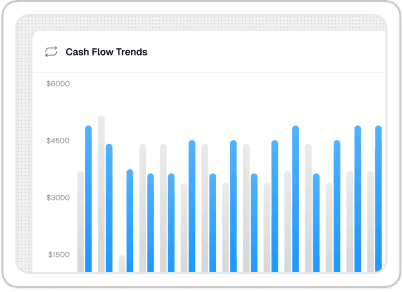
If you’re like most owners, you can tell me last month’s profit without looking. But if I ask, “How much cash will be in the bank six Fridays from now?” you’d have to guess. That gap is where avoidable panic lives: surprise tax bills, payroll stress, delayed vendor payments, and rushed financing.
The fix isn’t a 60-tab spreadsheet or a once-a-year budget. It’s a simple weekly rhythm: a rolling 13-week cash flow forecast that you update every week in 15–20 minutes. Once you run it for a month, you stop managing your business by vibes and start managing it by cash runway.
Profit and cash are related, but they’re not the same thing. Your P&L is built on accounting timing (when revenue is earned and expenses are incurred). Your bank account is built on reality (when money actually moves).
That’s why cash flow forecasting small business owners do well is usually boring: it’s about getting the timing right, not predicting the future perfectly.
A 13-week cash forecast is a week-by-week view of:
Thirteen weeks is long enough to see problems before they hit, but short enough that the inputs are knowable. A quarterly horizon forces you to think about timing (payroll cycles, customer payment habits, quarterly taxes) without pretending you can forecast next year’s demand to the dollar.
It also creates a simple habit: every week you add a new Week 13, and the model always stays relevant.
You can do this in a spreadsheet, inside your accounting stack, or in a tool like VezmoCashflow. The structure matters more than the software.
Most forecasts fail because owners guess collections. Don’t guess—start from your receivables and be conservative.
Worked example: if you have 50,000 in current AR and your typical pattern is 80% collected within two weeks, you’d schedule 40,000 across Week 1 and Week 2 (say 20,000 each). The remaining 10,000 becomes a later-week assumption, not a promise.
Owners often under-forecast outflows because they think in monthly totals. The 13-week model forces you to think in dates.
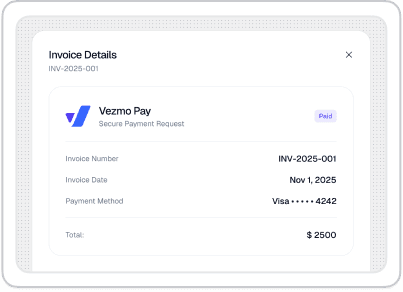
If your business runs payments through a client portal (for example, invoice links and reminders), make sure you account for processor settlement timing and any payout holds. Those small lags can matter when you’re tight.
Your goal isn’t a perfect prediction. Your goal is to spot the weeks where you’ll drop below a safe minimum cash balance—and decide what to do while you still have time.
Set a floor that protects the business. A common rule of thumb is one payroll cycle plus two weeks of essential bills. If payroll is 18,000 every two weeks and essential fixed costs are 7,000 per month, a conservative threshold might be:
This number is personal to your risk tolerance and business model, but you need one. Without it, every ending cash number “feels fine” until it isn’t.
When the forecast shows you falling under the threshold in Week 6, you have options that are cheap in Week 1 and expensive in Week 6:
This is what “cash runway” actually means: how many weeks you can operate before you hit your minimum cash threshold, assuming the plan holds.
The magic is the ritual. Put a recurring 20-minute block on your calendar every Monday or Friday.
If you use VezmoBooks to keep your books current and a client portal to keep invoices moving, your forecast update becomes faster because your inputs are cleaner and more timely.
Owners don’t get into trouble because they can’t read a P&L. They get into trouble because cash problems show up late and loud. A rolling 13-week forecast makes those problems show up early and quietly—when you still have choices.
If you want a lighter way to maintain the model (without living in spreadsheets), VezmoCashflow is designed to keep your weekly forecast current using the same numbers you already run the business on. The goal is simple: fewer surprises, more control.
Reach out now and get expert guidance tailored to your project needs.
Copyright © 2025 Vezmo Technology , Inc. All rights reserved
Vezmo is the registered trademarks of Vezmo Technology, Inc.