Vezmo logo – all-in-one business finance and invoicing software platform for companies, agencies, freelancers, and startups to create proposals, send invoices, track payments, manage bookkeeping, billing, contracts, eSignature, financial reports, and business operations

BlogGetting paid by internation...

#Tech|May 06, 2026

Getting paid by international clients without losing 4% to FX

Getting paid by international clients without losing 4% to FX

If you sell services, software, or projects internationally, the sale is often the easy part. The money part is where you quietly bleed margin: an extra percentage point in the exchange rate, a surprise “lifting” fee on the receiving side, or a bank that converts funds twice because the routing details were slightly off. For many operators, that drift adds up to ~4% over a year without anyone naming it as a line item. This guide breaks down where cross-border payments get expensive—and how a small business can structure international payments so you keep more of what you earned.

Why “the wire fee” is rarely the real cost

Ask a bank what an incoming international transfer costs and you’ll often hear a simple number: “USD 15,” “EUR 10,” “free,” and so on. That’s the visible fee. The bigger cost usually sits in the exchange rate you receive.

  • FX markup: You may see a rate that’s 1%–3% worse than a competitive market rate, especially on smaller tickets. On a USD 25,000 invoice, a 2.5% spread is USD 625—far more than the wire fee.
  • Intermediary fees: Some routes pass through correspondent banks. Each intermediary can take a fee on the way through, and you may only notice when the received amount is short.
  • Double conversion: If your client pays in their local currency but your receiving account can’t hold it, funds may convert into an intermediate currency and then into your home currency. Two small spreads compound.

When you’re trying to reduce FX fees small business owners face, the goal isn’t “find the cheapest wire.” It’s “control when and how conversion happens.”

Pick the right rail: SWIFT wire vs. local transfers

Not all cross-border payments are created equal. The “right” method depends on geography, invoice size, urgency, and how predictable your client’s finance team needs the process to be.

SWIFT wires (global, flexible, often pricey)

SWIFT is the default for many B2B payments. It works almost everywhere and handles many currencies, but it can be slow (especially across time zones and compliance checks), and the fee stack can be opaque.

  • Best for: large invoices, less frequent payments, or when the client can only send wires.
  • Watch for: intermediary deductions, field formatting issues, and conversion bundled into the bank’s rate.

Local clearing (cheaper, faster, more structured)

In many corridors, paying you “locally” is simpler for the client and cleaner for reconciliation. The idea is that your business receives funds like a domestic transfer, even though you’re international.

  • Best for: recurring retainers, monthly subscriptions, and repeat clients who want a consistent process.
  • Watch for: availability by country/currency and whether you can actually hold the currency you receive.

For most small businesses doing cross-border payments every month, a hybrid setup wins: let clients pay in a local way where possible, and reserve wires for exceptions.

Multi-currency accounts: the simplest way to stop forced conversions

The fastest way to “lose 4%” is to let conversion happen automatically, every time. A multi-currency account changes the default: you can receive and hold foreign currency, then decide when to convert (or spend) it.

Here’s a concrete example:

  • You invoice a UK client for GBP 20,000.
  • Your home costs are in USD, but you also have suppliers in Europe.
  • If you can only receive USD, the payment converts immediately. Assume a 2.0% all-in FX spread: you lose the equivalent of GBP 400.
  • If you can hold GBP, you can convert only what you need for USD expenses, and use the rest for GBP/EUR outflows—reducing total conversions over the year.

Even if you still convert most of it, choosing when to convert gives you options: batch conversions, convert when rates are favorable, and avoid weekend/holiday pricing quirks some providers apply.

This is also where tooling matters. A setup that connects receiving accounts, payments, and bookkeeping—like using VezmoPay for collection and a ledger view in VezmoBooks—makes it obvious when you’re converting and why, instead of burying it inside “bank charges.”

Invoice currency strategy: charge in your currency, theirs, or split it?

“What currency should I invoice in?” is one of the highest-impact decisions in international payments small business owners make. There isn’t a universal answer, but there are predictable trade-offs.

Invoice in your home currency (you keep FX risk low)

If you invoice in your currency, the client bears FX conversion. That can be fine for enterprise clients, but smaller clients may build a buffer into what they’re willing to pay—or ask for a discount because their card processor/bank gives them a bad rate.

Invoice in the client’s currency (you win the sale, you manage FX)

Pricing in the client’s currency often increases close rates because it feels “local.” The cost is that you now own FX risk and need a process for managing it.

  • Good fit when: you have predictable volume in that currency, or you can hold it and spend it naturally.
  • Process requirement: clear rules for when you convert (for example, convert weekly above a threshold, otherwise hold).

Split the difference with terms (practical for project work)

For project-based services, one pragmatic pattern is: invoice in the client’s currency, but include a clause that ties the final installment to an FX reference range if the timeline is long. You avoid making FX a negotiation every month, while protecting your margin on a six-month build.

Whatever you choose, put it into a repeatable template. Consistency reduces payment delays and makes global invoicing easier for both sides.

Operational fixes that prevent “mystery” losses

Once you’ve chosen rails and currency, the remaining savings usually come from operations. These are small changes that remove surprises and shorten the time between “sent” and “cleared.”

  • Standardize remittance details: Put beneficiary name, account identifiers, and reference format into your invoice template and client onboarding checklist.
  • Require invoice references: If your reference is “INV-1047,” insist it appears in the transfer. It’s the difference between same-day matching and a week of emails.
  • Confirm fee handling: If wires are unavoidable, align on who covers bank charges. “Sender pays fees” vs. “shared” changes your received amount.
  • Track effective FX rate: Don’t just record “fees.” Track the effective rate you got versus a benchmark rate on that day. That makes spread visible.

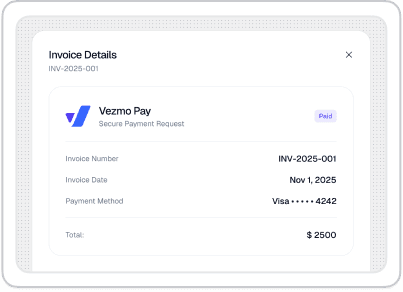
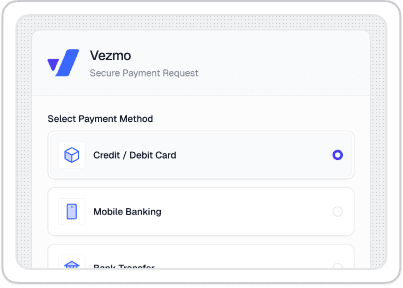
If you already use a client portal (for example, a Vezmo client portal flow) to present invoices and payment instructions, you can bake these checks in once and stop re-explaining them to every new client.

A simple checklist to keep more of every international payment

  1. Map your top 3 currencies: where clients pay from, average invoice size, and payment frequency.
  2. Decide invoice currency rules: default currency per region and when exceptions apply.
  3. Enable multi-currency receiving: avoid forced conversions and reduce double-spread scenarios.
  4. Choose rails intentionally: local transfers for recurring payments; SWIFT wires for edge cases.
  5. Measure the true cost: effective FX rate + visible fees + time-to-clear (cashflow cost).

Most teams don’t need fancy treasury work to stop losing margin. They need visibility, a default routing choice, and a consistent invoicing process. If you want to tighten the loop, Vezmo can help you collect payments, track conversions, and keep your books aligned so international revenue doesn’t come with invisible leakage.

Let’s Build Something Great

Reach out now and get expert guidance tailored to your project needs.

Book a DemoGet Started
Vezmo

Vezmo helps you create invoices, get paid faster, and track everything in one seamless platform.

Copyright © 2025 Vezmo Technology , Inc. All rights reserved

Vezmo is the registered trademarks of Vezmo Technology, Inc.